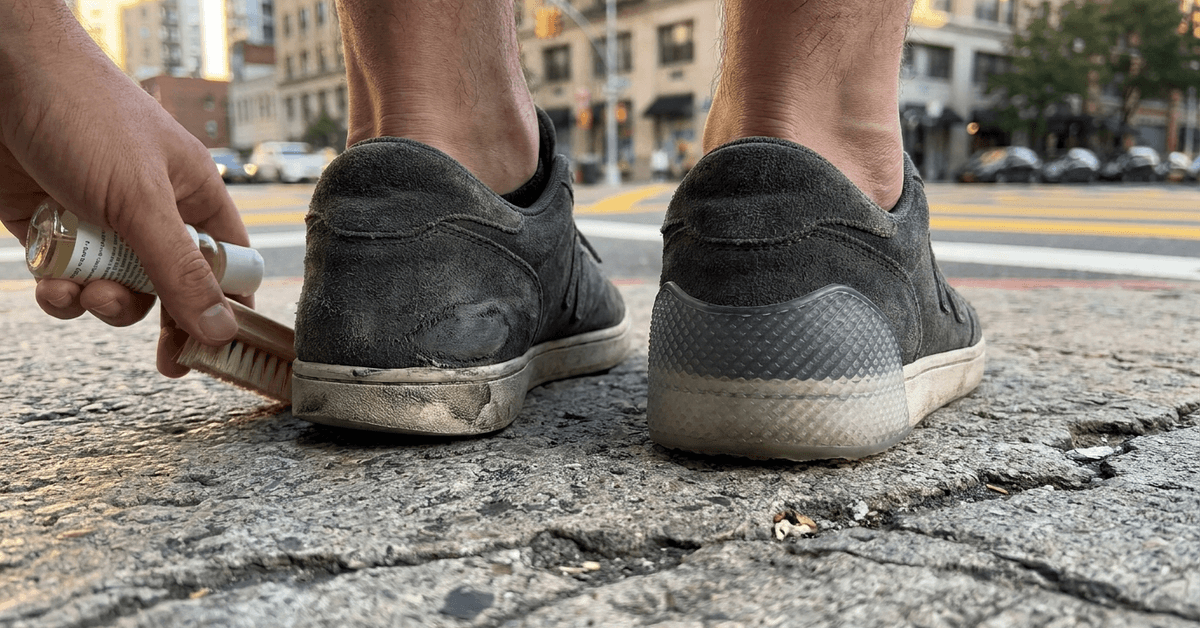
A pair of Nike Air Force 1s can lose half their heel thickness after six weeks of daily city walking. That number drops even faster on cobblestone streets in Rome or Paris.
Most sneaker care advice treats all pavement the same. The surface under your feet and the rubber compound on your outsole determine lifespan more than any cleaning habit or rotation schedule.
This guide is for the person logging 5,000 or more steps a day on city sidewalks, subway platforms, and crosswalk grates, then wondering why their shoes look like they survived a cheese grater.
Why Soft Outsoles Die on City Pavement
The relationship between outsole material and urban ground surfaces is the first thing every sneaker owner should understand.
Brands market comfort-focused foam and lightweight construction, and those features do feel good on day one. The tradeoff hits around week six, when the heel starts flattening unevenly.
Surface Type Changes Everything About Wear
Cobblestone cities like Rome and Paris grind down soft rubber compounds faster than flat asphalt streets in Tokyo or New York.
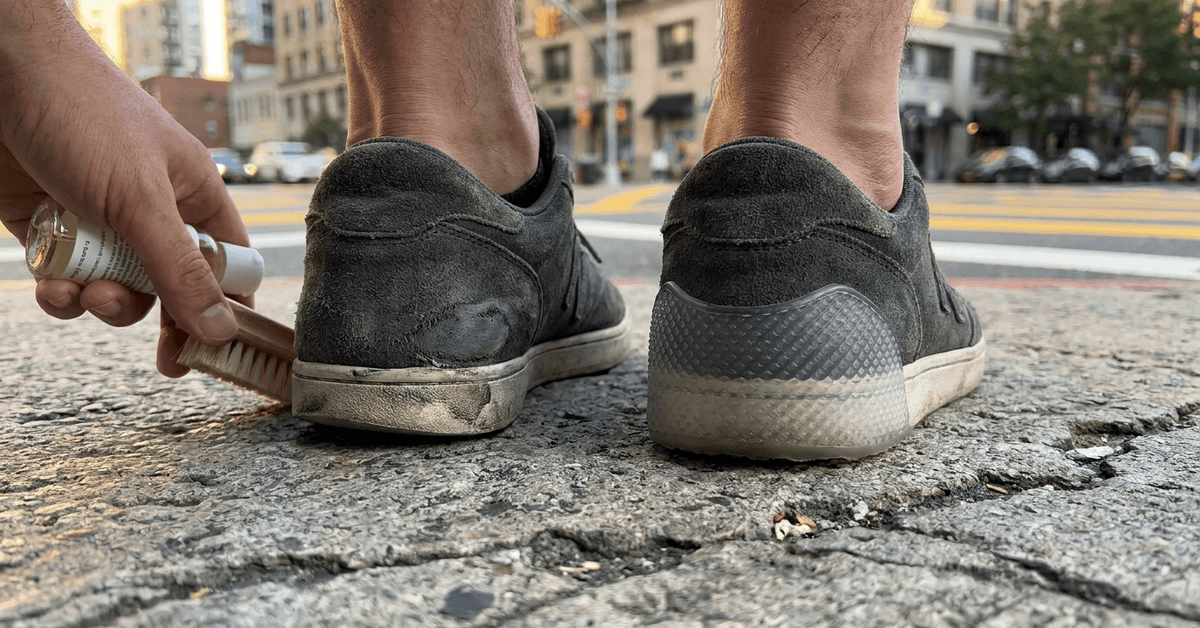
Tile floors in subway stations and shopping centers add a polishing effect that smooths out tread patterns. Concrete crosswalks at high-traffic intersections act like fine-grit sandpaper on every step.
I’d argue that surface type matters more than brand loyalty when picking city sneakers.
A pair of New Balance shoes with Vibram outsoles will outlast a premium Nike runner on London’s mixed pavement every time, because the rubber compound is harder and the tread pattern grips rather than scrapes.
Nobody matches their sneaker purchase to their city’s dominant surface type. That gap costs people two or three extra pairs per year.
The Heel-Striker Problem
Heel-strikers land on the back edge of the shoe with most of their body weight concentrated in a small contact area.
City schedules rarely allow for slow, mindful steps. Rush-hour walking speeds up cadence and shortens stride length, and both changes increase heel drag pressure.
The wear pattern shows up fast: one side of the heel grinds down more than the other, the midsole compresses unevenly, and the shoe starts tilting. At that point, even an insole swap can’t fix the structural damage.
Stop Buying Three Pairs When One Good Pair Works
Sneaker rotation is the most repeated advice for extending shoe life. The logic sounds reasonable: spread the wear across multiple pairs.
I think this advice misses the point entirely when all three pairs have soft foam outsoles like those on most Nike and Adidas lifestyle models.
One Hard-Soled Pair Beats Three Soft Ones
Spreading wear across three soft-soled sneakers means replacing three pairs in nine months instead of one pair in three.
The math doesn’t save money. A single pair built with hard rubber outsoles or a cup sole construction, like the ASICS Gel-Lyte or the Reebok Classic, will outlast any rotation of comfort-first designs on city pavement.
My take on sneaker rotation is different than what most guides suggest: rotate based on outsole hardness, not brand. Keep one hard-soled pair for heavy walking days and a lighter pair for short errands.
That split gives the comfort shoe a chance to recover its foam shape without grinding it down daily. Gel or orthopedic inserts from brands like Superfeet or Dr. Scholl’s can firm up the heel area and reduce collapse.
The insert absorbs impact that would otherwise transfer directly to the outsole, and that extra cushion layer changes how weight distributes across the heel.
Cheap Fixes That Add Months to City Sneakers
Prevention and repair sit on different ends of the sneaker care timeline. Both are worth knowing, because even a well-chosen outsole eventually takes damage on city pavement.
A small investment in protective accessories and basic repair supplies can stretch a shoe’s usable life by three to six months.
Stick-On Heel Guards and Sole Protectors
Small adhesive pads that attach to the heel’s underside cost a few dollars and take less than a minute to apply.
Brands like Sneaker Shields make pads specifically sized for common sneaker models. Gel sheets from Solemates or Forcefield cover larger outsole areas and distribute impact force across a wider surface.
These protectors need regular replacement. A few things to keep in mind:
- Heel pads last about two weeks of daily city walking before the adhesive weakens or the pad itself wears through
- Gel sole sheets can be custom-cut by cobblers in cities like Barcelona or Chicago for a tighter fit
- Replacement timing matters more than initial application: a worn-out pad creates uneven contact and accelerates the problem
A 60-second wipe-down after each wear session removes grit, concrete dust, and city grime that acts as an abrasive layer between the outsole and pavement.
A soft-bristle brush once a week handles deeper cleaning. These two habits alone slow heel erosion noticeably.
Cobbler Repairs vs DIY Patch Kits
Professional cobblers and sneaker repair clinics like Minute Cobbler in Toronto or Melbourne can add rubber wedges matched to your sneaker’s brand and color. Some offer drop-off service through local delivery apps.
For quick fixes between cobbler visits, DIY patch kits handle small worn spots:
- Shoe Goo fills in heel divots and bonds to most rubber outsoles
- Tuff Toe works for toe caps and heel edges on athletic shoes
- Pre-molded patches cover larger flat spots and set overnight
- Each kit requires full curing time, usually 24 hours, so plan to wear a different pair the next day
| Feature | Professional Cobbler | DIY Patch Kit |
|---|---|---|
| Cost per repair | $15–$30 per heel | $5–$10 per tube/kit |
| Durability | 3–6 months of daily wear | 4–8 weeks of daily wear |
| Convenience | Requires drop-off or appointment | Apply at home, any time |
| Color matching | Matched to shoe brand/color | Limited color options |
A cobbler repair lasts longer and looks cleaner, but costs more per visit. DIY kits work for travelers, spontaneous fixes, or anyone living far from a repair shop.
City Sneaker Durability: Which Brands Handle Pavement
Not all sneakers are built for heavy pavement use. Choosing the right outsole construction at the point of purchase eliminates most of the drag problem before it starts.
Stitched soles and cup sole designs tend to hold shape longer than glued constructions, and some can be resoled by a cobbler when the tread wears flat.
Hard Rubber Outsoles to Look For
ASICS Gel-Lyte and Reebok Classic models use denser rubber compounds on the heel that resist abrasion on surfaces like asphalt and concrete. The New Balance 997 gets consistently good marks for outsole longevity among daily city commuters in Tokyo and Madrid.
The Adidas Continental 80 uses a Continental rubber outsole, the same material found on Continental bicycle tires. I was surprised at how well that compound holds up on wet city pavement, given that most Adidas lifestyle shoes wear out fast.
Nike Air Force 1 is one of the most popular city sneakers sold, but the outsole rubber is softer than competitors at a similar price. An AF1 without protective pads or regular cobbler maintenance may need replacing after two to three months of daily urban walking.
Replaceable and Stitched Soles
Sneakers built with visible stitching or a cup sole allow for sole replacement down the line. A cobbler can remove a worn sole unit and attach a new one, which costs less than buying a whole new pair.
This option works best on chunkier silhouettes where the sole is a separate piece rather than a molded foam unit fused to the upper.
A Weekly Routine for City Sneaker Longevity
Combining the right shoe choice with consistent maintenance creates a system that works without much thought. A simple weekly schedule ties together the habits, gear, and repair knowledge covered above.
- Monday through Friday: alternate between a hard-soled pair for long walking days and a lighter pair for short-distance days
- Each evening: 60-second wipe-down of outsoles with a damp cloth to remove grit
- Sunday: soft-bristle brush deep clean, inspect heel wear, and replace protective pads if worn
- Monthly: swap insoles, check adhesive pads, and evaluate whether a cobbler visit is needed
That routine takes less than five minutes per day. The Sunday check catches uneven wear before it becomes structural damage.
Questions People Ask About Stopping Heel Drag
These are the questions that come up most often when city walkers start paying attention to their outsoles.
- Q: How often should heel guards be replaced?
About every two weeks for daily walkers covering 5,000+ steps on city pavement. The adhesive weakens and the pad material compresses. Leaving a worn guard on creates uneven contact and can speed up the damage it was supposed to prevent. - Q: Are expensive sneakers more durable on city streets?
Price and durability don’t track as closely as most people assume. A $90 New Balance 997 can outlast a $180 Nike lifestyle shoe because the outsole compound is harder. Check the outsole material, not the price tag. - Q: Does walking speed affect heel drag?
Faster walking often means shorter strides and harder heel strikes, both of which increase drag. Slowing down on rough surfaces like cobblestones makes a measurable difference, though city schedules don’t always allow for that.
Conclusion
City sneakers die on pavement because most people pick shoes for looks, not outsole hardness. Matching the rubber compound to your city’s dominant surface type matters more than any cleaning routine.
A single pair of hard-soled sneakers, maintained weekly, can outlast three pairs of soft-soled shoes rotated carelessly. The best time to protect your heels is before the first walk, not after the damage shows.