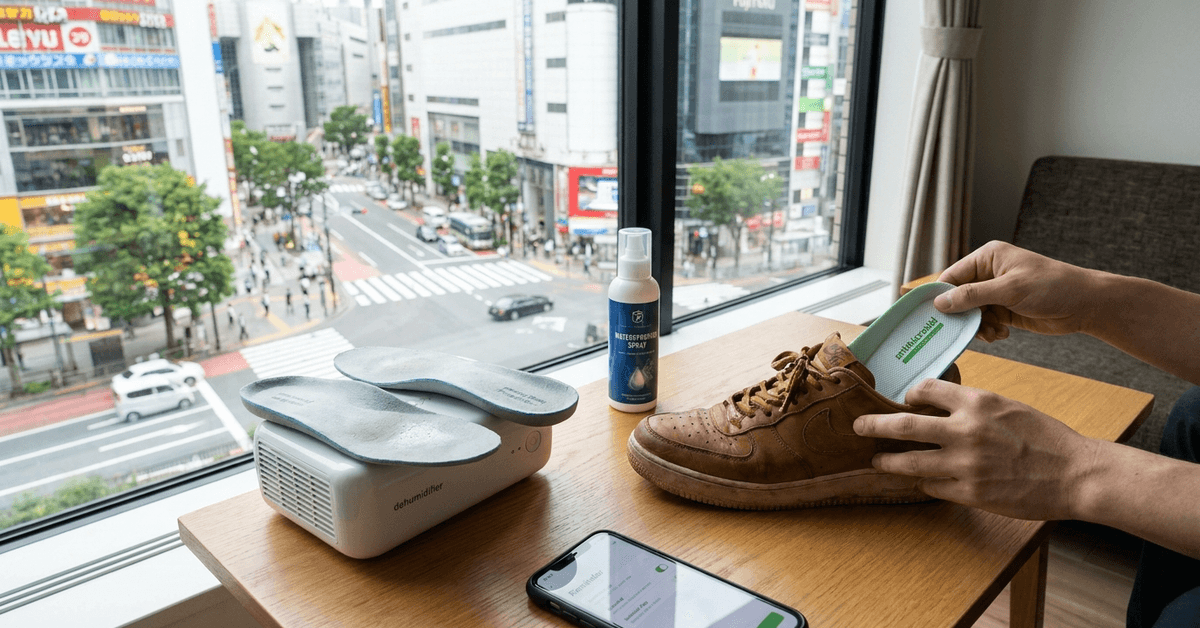
A $300 pair of limited-edition sneakers loses half its resale value the moment the insole compresses and flattens. That damage happens faster than most collectors expect, sometimes within 60 to 90 days of daily city wear on concrete sidewalks.
The usual advice focuses on cleaning the uppers and storing sneakers properly. Insole degradation, though, starts from below: sweat, heat cycling between cold pavement and warm interiors, and friction that no amount of exterior care addresses.
This one is for the sneaker collector who wears the pairs they buy. Not the vault-storage type, but the person walking 10,000 steps a day across subway platforms, office floors, and city concrete in shoes that cost real money.
Why City Walking Destroys Insoles Faster Than Anything Else
The pace of insole breakdown in an urban environment has less to do with total mileage and more to do with what happens between steps.
Concrete is unforgiving. Every footfall on a city sidewalk transfers more shock through the midsole than the same step on grass, carpet, or even asphalt.
The Thermal Cycling Problem Nobody Talks About
I would rank thermal cycling above raw walking distance as the primary insole killer, based on how memory foam and gel materials behave under repeated temperature shifts.
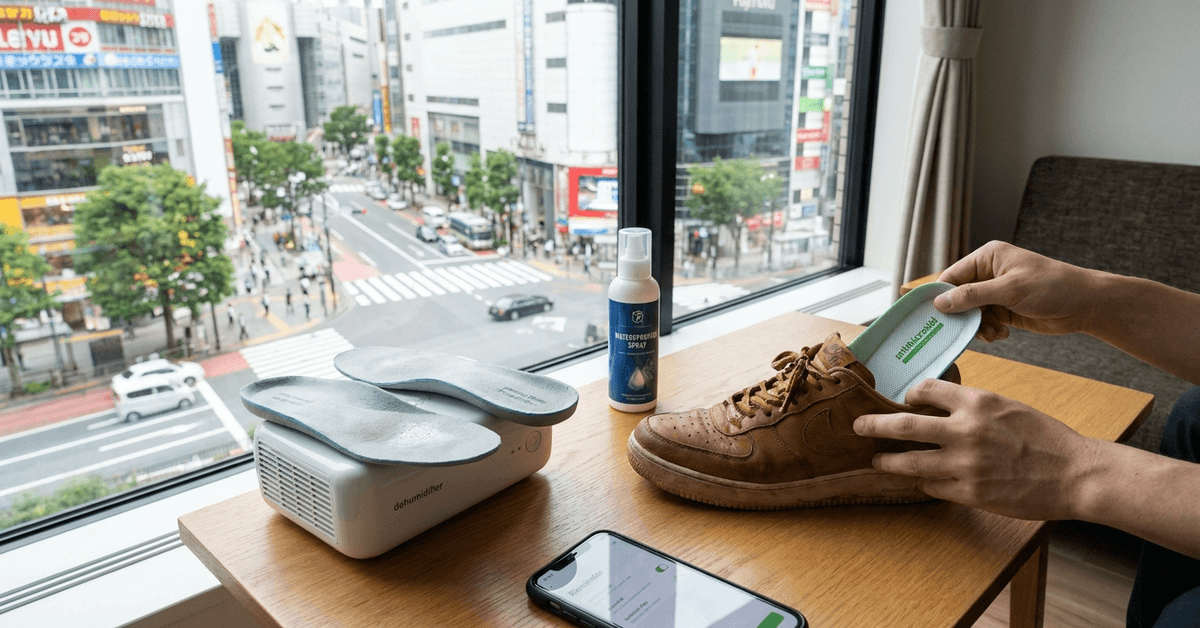
Stepping from a 35°F sidewalk into a heated subway car, then back outside, then into an office: that loop happens six or eight times in a single commute.
Memory foam softens in heat and stiffens in cold. Each transition stretches and contracts the cellular structure of the foam. Over weeks, this produces the same flat, dead feeling that people blame on “too much walking.”
Cork insoles are slightly more resistant to this cycle, but humidity hits them harder. A rainy week in Amsterdam or London can warp cork that would have lasted months in a dry climate.
Moisture Buildup on Public Transit
Packed trains and buses add another layer of damage. Feet sweat more in enclosed, heated transit cars.
That moisture migrates down through the sock, saturates the insole surface, and sits there until the wearer reaches their destination. Gel-based insoles handle moisture better than memory foam, but repeated saturation degrades both.
Insole Materials and How Each One Fails
Not every premium insole breaks down the same way. The material inside the shoe determines which threat does the most damage and which prevention method matters most.
Memory Foam Compression
Memory foam is the most common insole material in sneakers priced above $150. Popular among brands favored in cities like Berlin and Seoul, it adapts to foot shape instantly.
The tradeoff: heat and sustained pressure compress the foam permanently. A memory foam insole used daily on city pavement will lose roughly half its original cushion height within three months. Once compressed, the material does not bounce back.
Gel Puncture and Degradation
Gel-based insoles hold their cooling properties longer, making them popular for all-day city wear.
The weak point is physical puncture. Broken glass, gravel debris, and sharp edges on subway grates can breach the gel layer through a thin outsole. Once punctured, the gel redistributes unevenly and creates pressure spots.
Cork: Humidity’s Favorite Target
Cork insoles mold to the foot over time, a trait that makes them feel custom-fitted after a few weeks. Humidity is the enemy.
Extended exposure to rain, puddles, or even high ambient moisture can cause cork to crack and crumble. Sneaker collectors in dry climates get far more life from cork than those in tropical or coastal cities.
| Material | Primary Failure Mode | Lifespan (Daily Urban Wear) | Best Climate |
|---|---|---|---|
| Memory Foam | Heat compression | 60–90 days | Cool, dry |
| Gel | Puncture, uneven redistribution | 90–120 days | Warm, dry |
| Cork | Humidity cracking | 90–150 days (dry) / 30–60 days (humid) | Dry, moderate |
Gel outlasts memory foam under most conditions, but cork in a dry climate offers the longest lifespan if moisture is controlled.
Practical Insole Protection That Costs Almost Nothing
The most effective insole care habits are the cheapest ones. Expensive cleaning kits and professional services have their place, but daily routines do most of the work.
Removable Insole Liners as a Sacrificial Layer
Adding a thin insole liner on top of the original insole absorbs the daily punishment instead. The liner takes the sweat, friction, and grit so the original material stays closer to factory condition.
- Antimicrobial liners from brands like Dr. Scholl’s or Pedag cost under $15 and last several weeks before needing replacement
- Trim liners to match the shoe’s footbed precisely; a liner that shifts during wear creates more friction, not less
- Wash liners weekly in cold water and air dry completely before reinserting
I think antimicrobial liners specifically are a better investment than aftermarket gel insoles, considering a $12 Pedag liner protects a $40 original insole that cannot be repurchased once the sneaker sells out.
Pair Rotation Splits Wear in Half
Owning at least two daily-wear pairs and alternating them every other day gives each insole a full 24-hour recovery period. Foam that has time to decompress between wearings retains its structure significantly longer than foam that gets compressed again the next morning.
This habit is common among hospitality workers in Dubai and tour guides in Paris, people who log serious mileage on hard surfaces daily.
The Overnight Air-Out Trick
Removing insoles from the shoe every night and setting them on a flat surface to breathe prevents moisture from sitting in the material overnight. A windowsill works. So does any dry, ventilated shelf.
- Silica gel packets (repurposed from product packaging or bought cheaply at stores like Muji) placed inside the empty shoe pull residual moisture out of the midsole
- Portable shoe dehumidifiers available through Amazon or Rakuten handle heavier moisture loads for around $10–$20
- Never use a hairdryer or radiator to speed up drying: direct heat warps foam and cracks cork
Sock Selection Changes Insole Lifespan More Than People Expect
I was surprised that switching sock material made a measurable difference in insole condition after 30 days of testing between cotton and moisture-wicking pairs.
Cotton socks absorb sweat and hold it against the insole surface. Moisture-wicking fabrics like those in Stance performance socks or Uniqlo AIRism pull sweat away from the foot before it reaches the insole.
What to Look for in an Urban Sock
The right sock for city sneaker wear is seamless, thin enough to avoid adding bulk inside a snug shoe, and made from synthetic or merino blends that dry fast.
- Avoid cotton on any day involving more than 5,000 steps
- Seamless toe construction prevents friction hotspots that accelerate localized insole wear
- A snug, non-bunching fit keeps the sock in place so it functions as a barrier rather than a friction source
Double-Layer Socks for High-Mileage Days
During city marathons, music festivals, or any full-day event, two thin sock layers reduce the friction that reaches the insole.
Runners and festival-goers in Los Angeles and London use this technique regularly. The inner sock grips the foot. The outer sock slides against the shoe. The insole sees less direct abrasion.
Protecting Resale Value Through Insole Condition
Resale platforms like StockX and GOAT evaluate insole condition as part of their authentication and grading process. A sneaker with a compressed, stained, or odor-damaged insole grades lower and sells for less.
Collectors in Seoul, Chicago, and Paris pay close attention to this detail. Keeping the original insole paired with the original box and receipt creates a stronger resale listing.
Swapping in a fresh aftermarket insole for daily wear and storing the original untouched is a strategy that pays for itself when resale time arrives.
Things That Ruin Insoles Faster: Common Mistakes
A few popular care habits do more harm than good:
- Soaking memory foam insoles in water breaks down the cell structure; a damp cloth wipe is the maximum safe cleaning method
- Storing sneakers in sealed plastic bags traps moisture inside and accelerates mold growth and odor buildup
- Using bleach or strong detergents on gel or foam degrades the material and can cause chemical breakdown of adhesives holding the insole in place
The instinct to deep-clean expensive shoes makes sense, but insoles need a lighter touch than uppers. Gentle surface cleaning after heavy-wear days is enough.
Questions People Ask About Sneaker Insole Care
A few questions come up repeatedly among urban sneaker collectors caring for high-end pairs.
- Q: Can insoles be replaced on limited-edition sneakers? Some brands sell replacement insoles separately, but most limited releases do not offer this option. Third-party replacements exist through retailers like Foot Locker, though they rarely match the exact fit and branding of the original. Keeping the original in good condition matters more than finding a replacement after the fact.
- Q: How often should sneaker insoles be cleaned? A light wipe with a damp cloth after any day exceeding 8,000 steps keeps surface grime from embedding in the material. Deep cleaning should happen no more than once a month, and only with a gentle, non-detergent cleaner. Over-cleaning degrades foam and gel faster than normal wear.
- Q: Do insole liners change how a sneaker fits? A thin antimicrobial liner adds about 1–2mm of height inside the shoe. That is enough to notice on a snug-fitting pair. Trimming the liner precisely and choosing the thinnest available option minimizes fit changes. Some wearers go half a size up on daily pairs to accommodate the liner.
Conclusion
Expensive sneakers worn daily on city pavement face a specific set of insole threats most care guides ignore. Thermal cycling, moisture accumulation, and material-specific failure modes all matter more than total step count.
Cheap habits like insole liners, sock upgrades, and overnight air-outs protect more value than expensive cleaning kits. The collectors who keep their insoles intact are the ones resale platforms reward when it is time to sell.