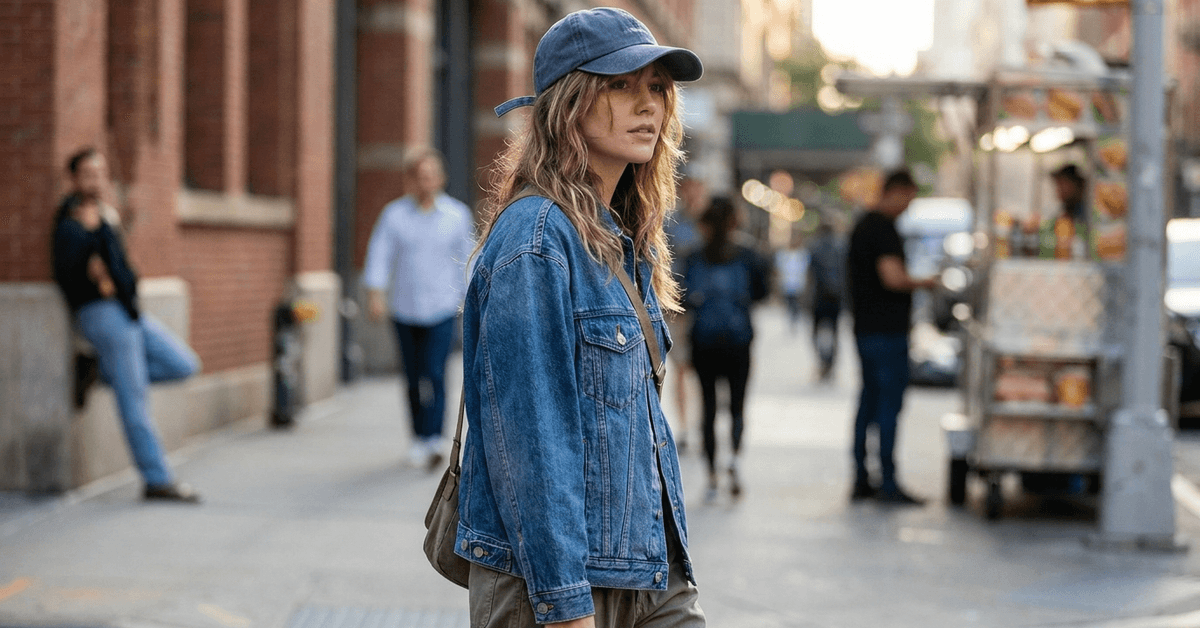
A dad hat on a buzz cut sits flush and snug. The same hat on a curly bob? It perches on top like a loose afterthought. Same hat, totally different result.
Styling guides pair dad hats with outfits but skip past the hat itself. Hair length, texture, and volume decide where the brim lands and how long the look holds up during a real day outside.
This guide is for the person who tried on a dad hat at home, checked the mirror, and felt like something was off. The hat probably isn’t wrong. The fit strategy is.
Why the Same Dad Hat Looks Different on Everyone
The unstructured crown is what makes a dad hat a dad hat. That soft, low-profile shape molds to your head instead of holding its own form.
A snapback or fitted cap creates a fixed silhouette regardless of hair. A dad hat does the opposite: it responds to whatever is underneath it.
This means two people wearing the exact same cap in the same color will present two entirely different shapes. One person’s hat sits high and rounded. Another’s collapses flat against the skull. The difference is almost always hair volume, not head size.
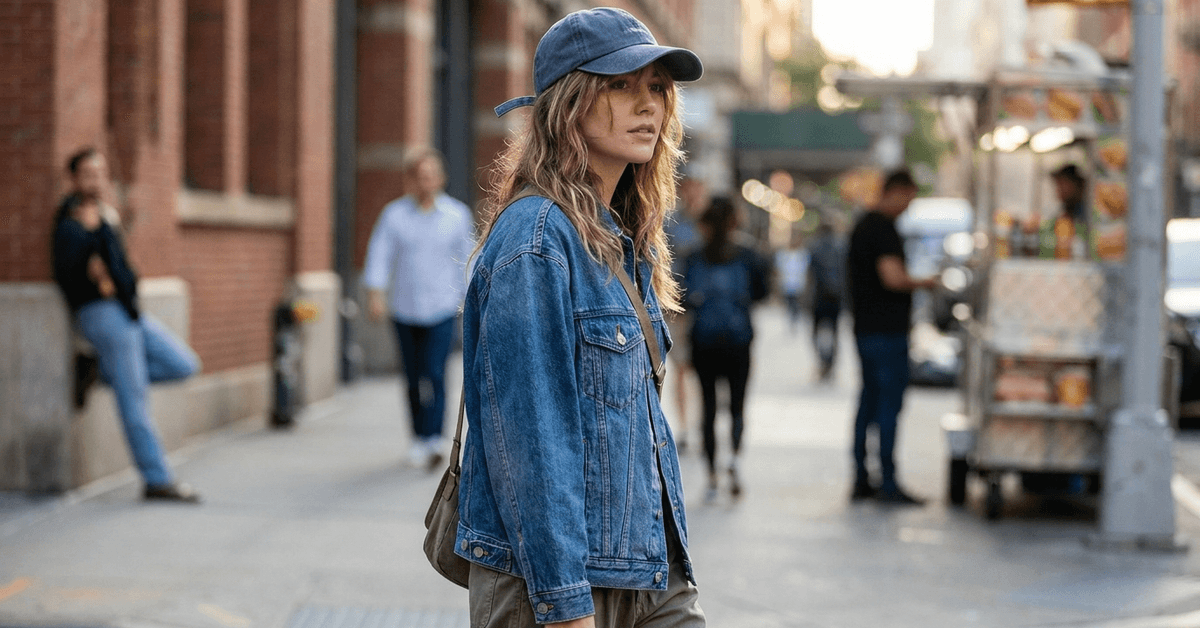
The Adjustable Strap Matters More Than the Hat Design
I think the adjustable strap is the single most overlooked part of dad hat shopping, and I’d take a no-name hat with a cloth strap and metal buckle over a $45 branded cap with a cheap plastic snap-back every time.
The reason: a plastic closure gives you three or four fixed notch positions. A cloth strap with a slide buckle allows 2-3mm adjustments, which is the difference between “sliding on fine hair” and “crushing curls on thick hair.”
If the hat slips forward after ten minutes of walking, the strap is the problem. If it leaves a dent in curly or textured hair, the strap is still the problem. Spending five extra seconds adjusting the back closure before heading out saves hours of fidgeting.
Dad Hats on Short Hair: Buzz Cuts and Pixie Cuts
Short hair changes the game because the hat is doing all the visual work on its own. There’s less hair to frame the face, so the cap’s position and angle carry extra weight.
Buzz Cuts and Close Crops
Buzz cut wearers deal with one persistent issue: the hat slides. A smooth, close-cropped head gives the hat nothing to grip, so it drifts backward or sideways within minutes.
A snug fit with a quality strap fixes this immediately. Choosing a hat that sits close to the scalp and pulling the strap to a firm (not tight) position keeps everything in place.
The angle matters too: sitting the hat slightly forward gives a classic, intentional look, while tilting it back opens up the forehead.
Pairing this with bold glasses or sunglasses adds structure to the overall shape, especially in cities like Berlin or Amsterdam where the minimalist look runs strong.
Pixie Cuts and the Diagonal Angle
Pixie cuts have more flexibility than a buzz cut because the uneven layers create visual texture around the brim. A slightly loose fit allows wisps to peek out at the temples and forehead, which softens the cap’s outline.
One styling trick that works well for layered pixies: wearing the hat at a slight diagonal. This asymmetry plays off the natural movement of layered hair and prevents the hat from looking like it was placed straight on top of a mannequin.
Tucking bangs behind one ear while letting them frame the opposite side adds a bit of deliberate messiness.
Medium-Length Hair and Dad Hats
Medium hair, roughly shoulder-length bobs and lobs, hits a sweet spot for dad hat styling. There’s enough length to create framing around the face and enough control to keep the hat stable.
Straight Bobs and Lobs
Positioning is everything with a straight bob. Wearing the hat just above the brow creates even shadow distribution across the face, which sounds like a small detail but changes how the whole look photographs.
Letting a few strands fall around the temples avoids the helmet effect that happens when all the hair is pushed back under the cap.
On humid days, a lightweight smoothing serum applied before heading out prevents the hair from puffing and shifting the hat’s position. Coastal cities and tropical climates make this step non-negotiable.
Layered Waves and Textured Mid-Length Hair
Wavy, textured hair at medium length might be the easiest pairing with a dad hat. Pushing the hat slightly back reveals volume at the crown, and the natural movement of waves fills in the space around the brim without looking forced.
- Tuck face-framing pieces behind the ears or under the hat’s edge for a tidier effect
- A sea salt spray like Bumble and Bumble Surf Spray holds texture without stiffness or crunch
- Avoid over-smoothing before putting the hat on: some frizz and flyaways make the look feel lived-in
That last point is something worth sitting with. Dad hat style benefits from minor imperfections. A slightly off-center fit or a piece of hair that won’t cooperate adds something that a perfectly polished look cannot.
Long Hair, Ponytails, and Updos Under a Dad Hat
Long hair opens up the most styling options, but it also creates the most friction. Weight, movement, and the sheer amount of hair competing for space under an unstructured cap can make things tricky.
High Ponytails and Braids Through the Back
Threading a ponytail or braid through the back opening of the hat is the most functional approach for active city days. This takes pressure off the scalp, keeps hair secure, and lets the ponytail sit naturally instead of bunching up under the cap.
This works especially well for long walks, day trips, and anything that involves being outside for hours. The hat stays in place because the ponytail acts as an anchor at the back.
Messy Buns and Top Knots
Top knots and messy buns pair well with dad hats when the bun placement is right. A top knot should sit just below or above the hat’s back strap opening. Too high and the hat won’t sit flat. Too low and the bun competes with the strap for space.
- Place a messy bun at the base of the neck for a comfortable, low-profile fit
- Leave a few strands loose around the face for a softer look
- Choose a soft, flexible dad hat rather than a stiffer canvas one when styling with an updo
A half-up, half-down look splits the difference. Secure the upper section at the crown, let the rest fall freely, and the hat sits naturally on top. This is one of the easiest styles to adjust on the move.
Curly and Textured Hair: Different Rules Apply
Curly and textured hair changes the relationship between hat and head entirely. Volume, shape retention, and frizz management become factors that straight-hair guides never address.
Afro Styles and the Silk Scarf Technique
Voluminous afros and natural curls need space inside the hat. The standard advice is to push the hat further back on the head to avoid compressing curls.
I’d push back on that for one reason: a hat pushed far back on an afro tends to perch on top without any grip, and it falls off at the first head turn or gust of wind.
A better approach: lining the inside of the hat with a silk or satin scarf before putting it on.
The scarf protects curl definition, reduces friction that causes frizz, and gives the hat something to grip without squashing hair. An adjustable wide-band cap makes this easier because there’s room for both the scarf and the hair.
This trick gets skipped in almost every dad hat article I’ve read, and it is the single most useful technique for anyone with Type 3 or Type 4 hair trying to wear caps without sacrificing curl shape.
Defined Curls and Ringlets
Looser, defined curls pair well with hats that sit lightly on the crown rather than pulling down tight. Letting curls spill out and frame the brim creates a look that feels relaxed without being sloppy.
A curl-enhancing mousse applied in the morning holds shape through a full day, even in windy cities. San Francisco, Chicago, and London all test this regularly.
Products, Accessories, and Weather That Change Everything
The hat and hair are only part of the equation. A few small additions and product choices can shift a dad hat look from “thrown together” to “deliberately casual.”
| Factor | Best Approach | Common Mistake |
|---|---|---|
| Humidity | Anti-frizz spray or smoothing serum before putting on the hat | Skipping product and fighting frizz all day |
| Wind | Secure strap fit, ponytail anchor, or scarf lining | Wearing the hat loose and adjusting it constantly |
| Accessories | Sunglasses, hoop earrings, or layered chains | Over-accessorizing and competing with the hat |
| Hair products | Ouai travel-size products for on-the-go touch-ups | Full-size bottles that don’t fit in a bag |
The takeaway: pack a travel-size product kit and set the strap properly before leaving, and the hat takes care of itself.
Sunglasses and hoop earrings work especially well because they add structure around the face without cluttering the hat’s silhouette.
Statement pins on the front of the cap add personality, and swapping pins between days is one of the cheapest ways to get variety out of a single hat.
Questions People Ask About Dad Hat Styling
A few of the most common searches around this topic, answered with a bit more detail than the usual surface-level responses.
- Q: Do dad hats cause hair breakage?
A tight strap or rough interior lining can cause breakage over time, especially on fine or textured hair. A silk lining and a properly adjusted strap reduce friction. Rotating between two or three hats also helps distribute wear on the same contact points. - Q: Can dad hats work with very thick, curly hair?
Absolutely, but the hat selection matters. Look for caps with a deeper crown and an adjustable wide band. Shallow-crown dad hats will perch on top of thick hair and look like they’re about to fall off. - Q: How do I prevent hat hair after taking off a dad hat?
A quick shake and finger-comb usually fixes flat spots. Dry shampoo at the roots lifts compressed hair. The silk scarf method also reduces hat hair because it creates a barrier between the hat’s interior and your strands. - Q: Should I match my dad hat color to my hair color?
Contrasting colors tend to look better because they create visual separation between the hat and hair. A dark hat on light hair, or a bright cap on dark hair, draws more attention to the face. Matching hat-to-hair color can make the two blend together and flatten the overall look. - Q: What’s the best dad hat material for hot weather?
Cotton and cotton-twill blends breathe better than polyester or wool. Mesh-back dad hats (sometimes called “dad trucker hats”) offer airflow for very hot days but change the silhouette at the back.
Conclusion
Dad hats reward people who think about hair type before reaching for an angle or outfit. The strap, the crown depth, and a simple silk scarf can fix problems no amount of tilting solves.
Every curl pattern and hair length has a combination that works once the right adjustments click. Start with the fit at the back of the hat, not the look at the front.