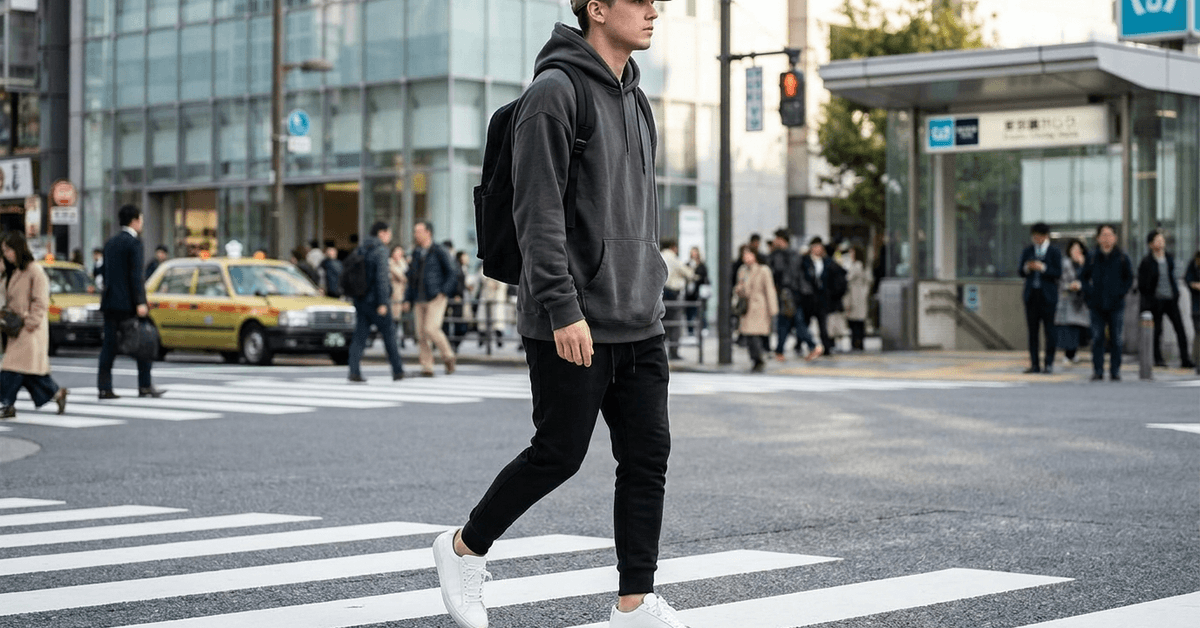
Three weeks into a capsule wardrobe, most people hit the same wall. Every outfit feels like a photocopy of the one before it.
The standard advice says stick to neutrals, buy fewer things, and trust the process. That advice skips the part where monotony makes people abandon the experiment entirely.
This article is for the city professional between 25 and 35 who commutes daily, moves between meetings and after-work plans, and needs a closet that performs without eating up morning brainpower. Not a fashion student. Not a weekend hobbyist. Someone who needs clothes that work on a Tuesday at 7:45 AM.
Minimalist streetwear built for urban routines can solve that problem. But the version of it floating around most style blogs has a fatal flaw baked into step one.
Why “Start With All Neutrals” Is the Fastest Way to Quit Minimalism
Almost every capsule wardrobe guide opens with the same instruction: build a base of black, white, gray, and maybe navy. The logic sounds clean. Neutral pieces pair together without effort, and the math of fewer combinations makes getting dressed faster.
The problem shows up around week three. A closet full of muted tones starts to feel like a uniform. And not the cool, intentional kind.
The kind that makes someone reach for a forgotten graphic tee buried in the back of a drawer, followed by another, and then the whole system unravels.
One Anchor Piece Per Outfit Fixes the Dropout Problem
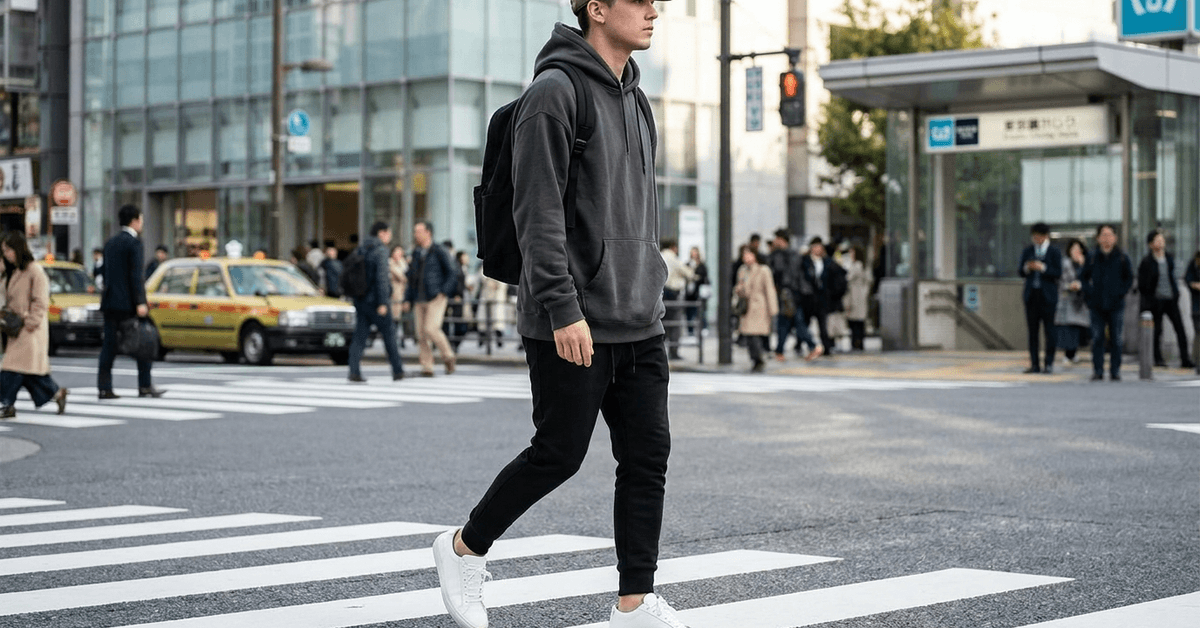
I’d argue the smarter move is building around one non-neutral anchor per outfit rather than a fully muted palette. A bright scarf. A pair of limited edition sneakers. A locally made cap with some color. The raw content on minimalist streetwear mentions these as “personalisation ideas,” but I think they belong at the foundation, not sprinkled on as afterthoughts.
The capsule still works. Six or seven base pieces in quiet tones do the heavy lifting. But that single anchor item per outfit is the difference between a wardrobe someone keeps using and one that gets abandoned by month two.
I would bet on Uniqlo’s seasonal accent pieces over a full Everlane neutral haul for exactly this reason: Uniqlo releases color-forward basics every quarter that slot into a muted wardrobe without clashing.
Minimalism in fashion fails when it removes personality. It succeeds when it removes decisions. Those are different goals, and most guides treat them as the same thing.
A City-Ready Minimalist Streetwear Wardrobe, Piece by Piece
The right items depend partly on climate and partly on how much walking, transit, and weather shifting happens in a given day. A Londoner layering for rain needs different cuts than someone in Melbourne dealing with UV and wind in the same afternoon.
Still, the overlap between cities is bigger than the differences. A functional minimalist streetwear wardrobe runs on about six item categories that cover nearly every casual-to-smart-casual scenario a city throws at someone.
The Six Items That Handle Everything
These are the pieces that show up in rotation across Berlin, Tokyo, New York, and Copenhagen, adjusted slightly for local preferences:
- White sneakers: seasonless, pairs with joggers or chinos, and takes up less visual space than any other shoe
- Slim-fit joggers in black or charcoal: comfortable enough for long walks, clean enough for a café or co-working space
- Plain tees in white, gray, and black: the rotation base that gets layered under everything
- One oversized hoodie: handles chilly evenings, airports, and lazy weekends without looking sloppy
- A crossbody bag or structured tote: keeps hands free on transit and holds a laptop sleeve if needed
- A neutral cap: sun protection that doubles as a style piece when hair isn’t cooperating
Six categories. Maybe 10 to 12 total items. That is a full week of outfits without a single repeat, especially once the anchor piece strategy from above gets folded in.
How Minimalist Streetwear Looks Different Across Cities
Local style cultures shape how these basics get worn. The pieces stay similar, but the proportions, fits, and finishing details shift noticeably from one city to the next.
| City | Common Silhouette | Standout Piece | Typical Palette |
|---|---|---|---|
| London | Slim, layered | Black jeans + simple trainers | Dark neutrals |
| Copenhagen | Oversized, relaxed | Slip-on shoes + boxy shirts | Cream, beige, gray |
| Seoul | Loose-fit, soft | Wide-leg pants + pastel layers | Soft pastels, white |
| Melbourne | Mid-weight, functional | Graphic-free sweaters + bucket hats | Earth tones |
| Paris | Structured, tailored | Neutral trench coat | Monochrome |
The takeaway: the same six-category wardrobe adapts to any of these cities with minor adjustments in color temperature and fit.
Editing a Closet Down Without Starting Over
Nobody needs to throw everything out and rebuild from zero. That approach is expensive, wasteful, and emotionally exhausting. The better path is a targeted edit of the clothes already hanging in the closet.
The Weekend Wardrobe Audit
A single Saturday afternoon can reshape a wardrobe if the process stays focused. The order matters here because it prevents the common mistake of buying new items before understanding what already works:
- Pull everything out and sort into three groups: worn in the past two weeks, worn in the past two months, and not worn in over two months
- Anything in the third group gets removed unless it fills a seasonal gap (like a winter coat in July)
- Look at what remains and identify which item categories are missing from the six listed above
- Add new pieces only where a gap exists, and only within a tight palette: navy, beige, olive, black, white, gray
That last step is where the anchor piece rule applies. One item per outfit can break the palette. The rest stays within the tight range.
Apps That Make Capsule Wardrobes Easier to Track
Digital tools remove some of the friction that makes wardrobe planning feel like a chore. Cladwell builds capsule wardrobe suggestions and generates daily outfit combinations from clothes a user photographs and uploads.
The app tracks what gets worn and what sits idle, which makes the next edit cycle faster. Microsoft To Do handles the logistics side: tracking items that need replacing, repairs that keep getting postponed, and seasonal swap reminders.
The combination of a style app and a task app covers both the creative and maintenance sides of a minimalist wardrobe without needing anything else.
Making Minimalist Pieces Last Longer Than One Season
Buying fewer items only saves money if those items survive regular use. A white tee that yellows after four washes or a hoodie that pills in a month defeats the purpose of building a smaller wardrobe.
Care Habits That Protect the Investment
Longevity comes down to a few specific routines, and most of them take less time than people expect:
- Wash less frequently: core items like jeans and hoodies can go several wears between washes unless visibly dirty or stained. Overwashing breaks down fabric faster than wearing does.
- Spot clean immediately: catching a stain within minutes saves a garment that would otherwise need a full wash cycle or a trip to the cleaners.
- Rotate daily: alternating between two pairs of sneakers and two hoodies means each piece gets a rest day between wears, which extends the lifespan of soles, stitching, and elastic.
A minimalist wardrobe built on 10 to 12 items and maintained with these habits can last a full year before anything needs replacing. That math beats a packed closet where half the items are impulse buys worn once.
The environmental angle matters too, but I think the personal finance side is more persuasive for most people.
Spending $400 on six quality pieces from COS or Everlane that last 12 months costs less per wear than spending $600 on 20 fast-fashion items that deteriorate in eight weeks.
Questions People Ask About Minimalist Streetwear
These are the questions that come up when people start thinking seriously about trimming their wardrobe down to the essentials.
- Q: Can minimalist streetwear work for someone who loves color? Absolutely. The strategy is keeping the base pieces neutral and letting one colorful item per outfit carry the personality. A bright crossbody bag or a colored cap against a black-and-white outfit creates visual contrast without adding wardrobe complexity.
- Q: How many items should a minimalist streetwear wardrobe have? The sweet spot tends to be 10 to 15 items, not counting underwear and socks. That range covers a full week of non-repeating outfits when pieces are selected to mix and match across categories. Going below 10 usually means doing laundry mid-week.
- Q: Is minimalist streetwear expensive to start? It can be, but the wardrobe audit approach avoids a big upfront cost. Editing existing clothes costs nothing. Filling gaps with brands like Uniqlo keeps the budget reasonable, often under $200 for a solid starting capsule.
- Q: Does this style work outside of major cities? The principles apply anywhere, though the streetwear influence fades in suburban or rural settings where dress codes lean more casual or outdoors-oriented. The layering and simplicity still translate, but the sneaker-and-jogger combination reads differently outside an urban context.
- Q: How often should a minimalist wardrobe be refreshed? A well-maintained capsule needs a seasonal review: once in spring and once in fall. That review is less about buying new items and more about removing anything worn out and confirming the remaining pieces still pair well together.
Conclusion
Minimalist streetwear built for city life runs on a small set of versatile pieces and one rule most guides ignore. The anchor piece strategy keeps the wardrobe functional without draining it of personality.
A focused weekend edit and a couple of free apps handle the logistics better than any shopping spree. The closet that works hardest is the one with the fewest items earning their spot every single week.